









Australian roots: the villages your family left
More Australians trace their family back to Britain and Ireland than to anywhere else on earth. Some arrived in chains, some on a subsidised ticket, some chasing copper, gold or simply a wage. But census forms and ships' manifests only ever recorded half the story. The other half is the place they left: a mining village, a Highland township, a parish of farm labourers. This guide is about those places, and what is happening in them this year.
The Cornish: to the Copper Triangle
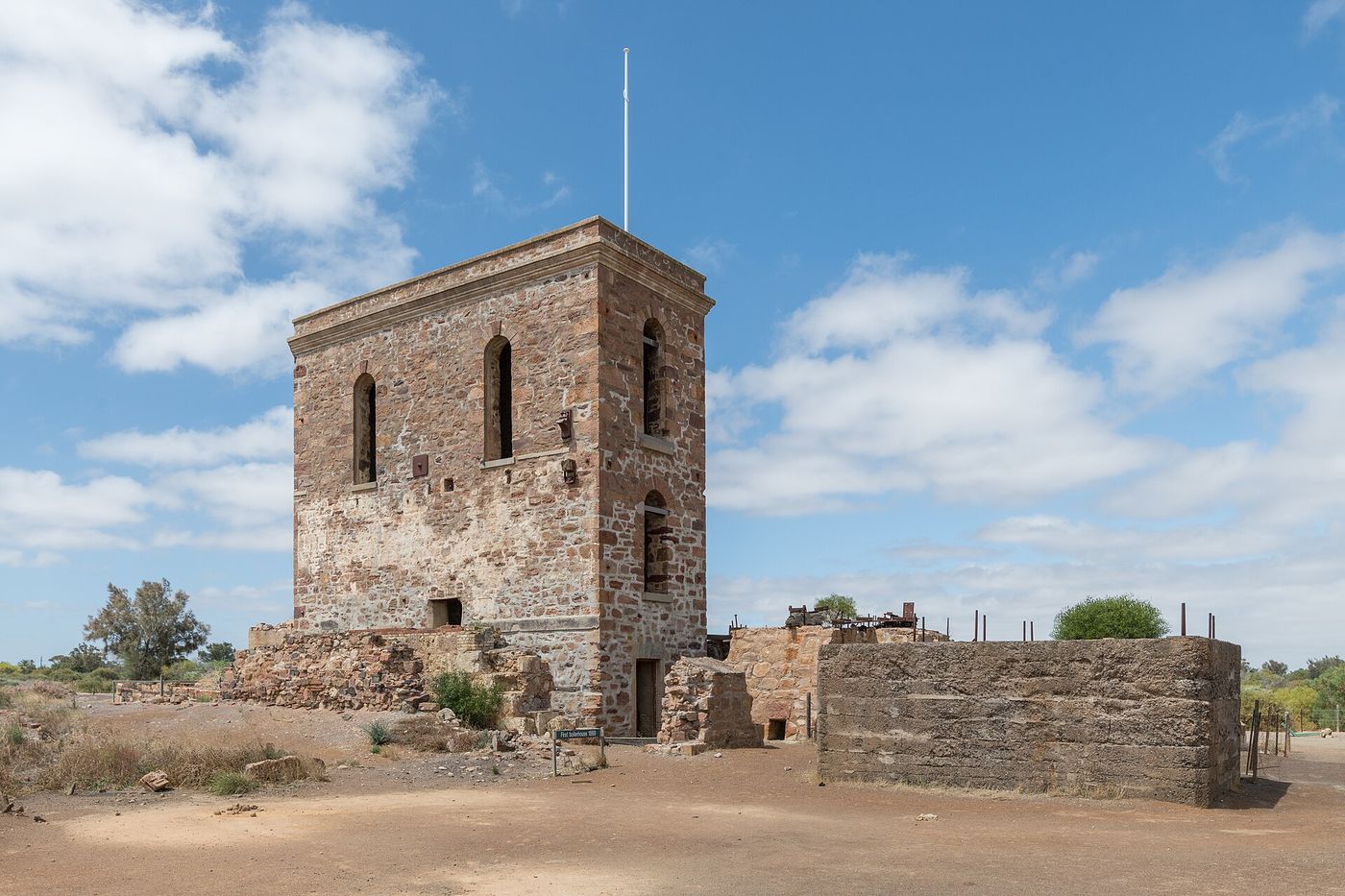
When Cornwall's copper price collapsed in the 1860s, its miners took their skills to South Australia's copper towns of Moonta, Kadina and Wallaroo, the "Copper Triangle", and later to the gold of Ballarat and Bendigo. Moonta became known as Little Cornwall, and every two years its descendants still gather in their tens of thousands for Kernewek Lowender, the world's largest Cornish festival. The villages they left, around Redruth, Camborne and the mining coast, are still there, and still celebrating.
Names that came this way: the old rhyme says "By Tre, Pol and Pen shall ye know Cornishmen." Trevithick, Trembath, Polglase, Penberthy, and with them Pascoe, Rowe and Nancarrow. A name like this on your tree points hard at Cornwall. Read the full Cousin Jacks story →
The Highlanders: cleared, and shipped south
In the mid nineteenth century, as the Clearances and the potato famine emptied the Highlands and Islands, close to five thousand people were carried to Australia by the Highland and Island Emigration Society alone, many of them from Skye and the western coast. In Helmsdale, a bronze statue of an emigrant family looks down the strath their neighbours were cleared from. The townships they left still hold their games each summer: caber, pipes and hill race, the same gatherings their descendants recreate across Victoria and New South Wales.
Names that came this way: MacLeod, MacDonald and MacKinnon of Skye and the isles, Matheson and Mackay of the northern coasts, Cameron and Campbell of the western Highlands.
The Irish: convicts, famine ships and free settlers
Ireland sent more people to Australia, for longer, than almost anywhere: transported convicts, famine-era emigrants, and generations of free settlers from rural parishes. Irish surnames still carry their counties with them: Ryan of Tipperary, O'Brien of Clare, Kelly of Galway, Murphy of Cork and Wexford. Villagly Ireland now covers village events across all 26 counties; find the county your family left and see what is on.
The English villagers: the assisted passages
Less storied but far more numerous: through the nineteenth century, colonial schemes paid the fares of English farm labourers and their families, drawing heavily on the rural south and west. Whole village congregations from Dorset, Wiltshire, Somerset and Kent took the offer. Their surnames are harder to pin to a single place, which is exactly where the records below earn their keep. If you know the county, our county pages will show you what is on in its villages today.
Tracing your actual ancestor
The National Archives of Australia and the state archives hold arrival and assisted-immigration records; New South Wales and Victoria are particularly rich. From the British end, outward passenger lists from 1890 are held at The National Archives at Kew and digitised on the main genealogy sites, and from 1922 they record a home address, which can point you back to the very village. Parish registers, held by county record offices, then take the trail back centuries.
Planning a visit? Every event above links to dates, the organiser's site and places to stay nearby. Stand where your family stood.