








Cornwall's Cousin Jacks
Between 1841 and 1901 around a quarter of a million Cornish men and women left for the other side of the world. Most were miners. Wherever a shaft was sunk, the saying went, you would find a Cornishman at the bottom of it and his "Cousin Jack" asking after a job for a relative back home. This is the story of the villages they left, and an invitation: if the name on your family tree is Cornish, come back and see what's on.
Why they left
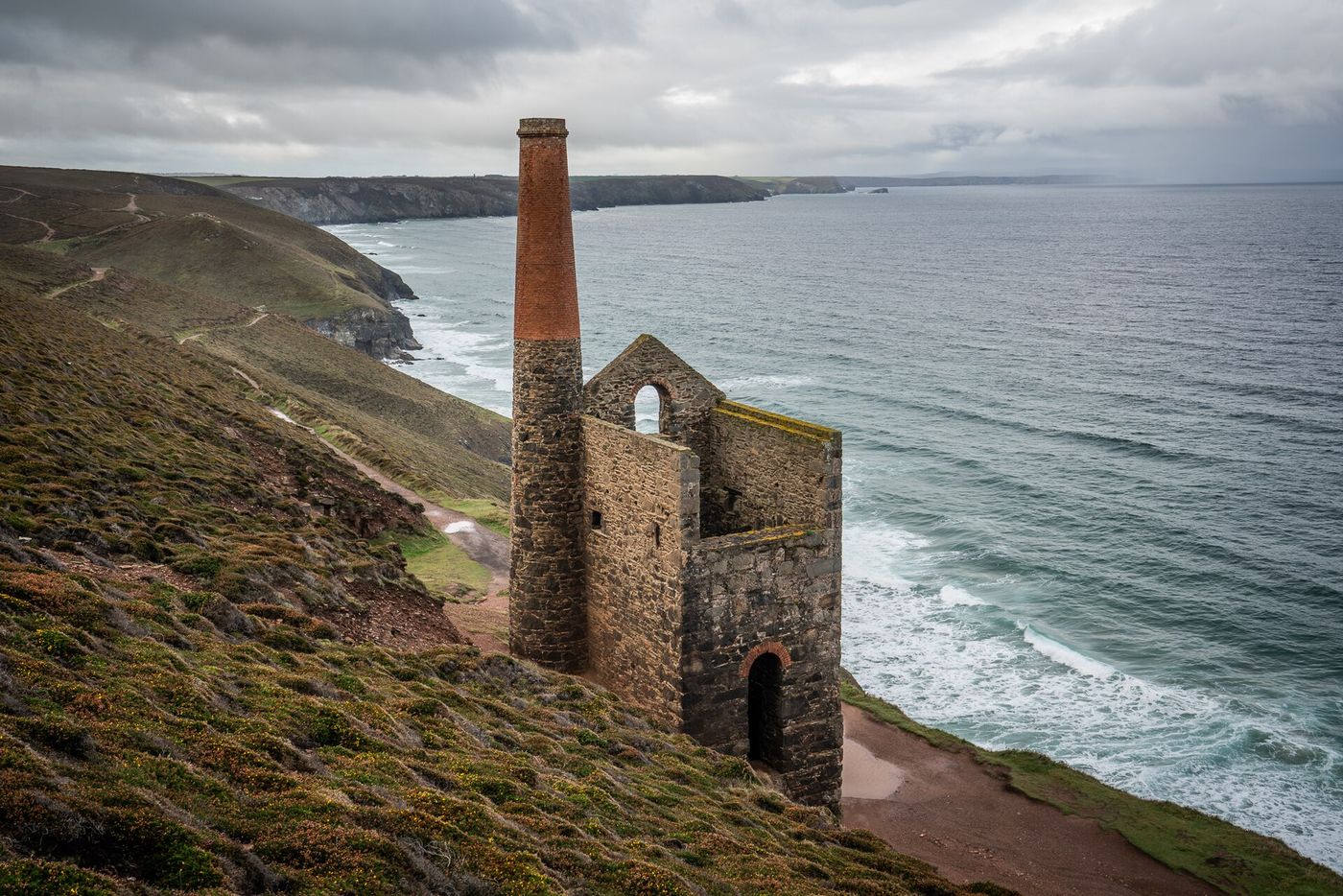
Gwennap parish, a few miles from Redruth, was once called the richest square mile in the Old World. Its copper mines produced a fortune. But the miners in the crowded villages of St Day, Carharrack and Lanner saw little of it, and when the copper price collapsed in the 1860s, and tin faltered a decade later, the mines closed in waves. Whole villages emptied. Cornish mining held on at South Crofty, near Redruth, until 1998, closing the book on more than two thousand years of it. By then the Cornish had long since taken their skills to every mining frontier on earth.
Where they went
To South Australia first, to the copper towns of Moonta, Kadina and Wallaroo, the "Copper Triangle." Moonta became known as Little Cornwall, the largest Cornish settlement anywhere outside Cornwall itself. To North America, for the Comstock silver lodes of Nevada, the gold of Colorado and the copper of Michigan and Montana. And to South Africa, to the gold reef of the Rand, where by the end of the century Cornish miners were sending as much as a million pounds a year home to Cornwall. A hard export, but an export all the same.
What they carried with them
The pasty, a whole meal you could hold in one dirty hand at the bottom of a shaft. Methodism, preached to thousands in the open-air amphitheatre of Gwennap Pit. Brass bands, male-voice choirs and Cornish wrestling. The culture travelled with the people, which is why, to this day, a town on the far side of the world still throws the largest Cornish festival there is.
The homecoming, held abroad
Every two years around 45,000 people gather in the Copper Triangle for Kernewek Lowender, "Cornish happiness" in the Cornish tongue. There are pasties and Swanky beer, maypoles and furry dancing, the descendants of emigrants celebrating the home their families left. If that is your heritage, the original is still here, and still celebrating.
Come back for what's on
If your roots run back to a Cornish mining village, here are events happening this year in and around the old mining country. Stand where your family stood.
Tracing a specific ancestor? The outward passenger lists that recorded emigrants leaving British ports from 1890 are held at The National Archives and digitised on the main genealogy sites. From 1922 they even note a home address, which can point you back to the very village.
Family ended up in Australia? Start with our companion guide, Australian roots: the villages your family left.