




















Portuguese roots: the villages your family left
Portugal has been leaving home for five hundred years, and for a country of its size the diaspora is staggering: more people of Portuguese descent live abroad than in Portugal. The trails are village-precise. New England's Portuguese are mostly Azorean, and often from one island, one freguesia. Hawaii's Portuguese came from Madeira and brought the instrument that became the ukulele. Brazil drew wave after wave from the small parishes of the Minho. The festa your family carried abroad is still held in the home village, usually for the same saint.
The Azores: to New England
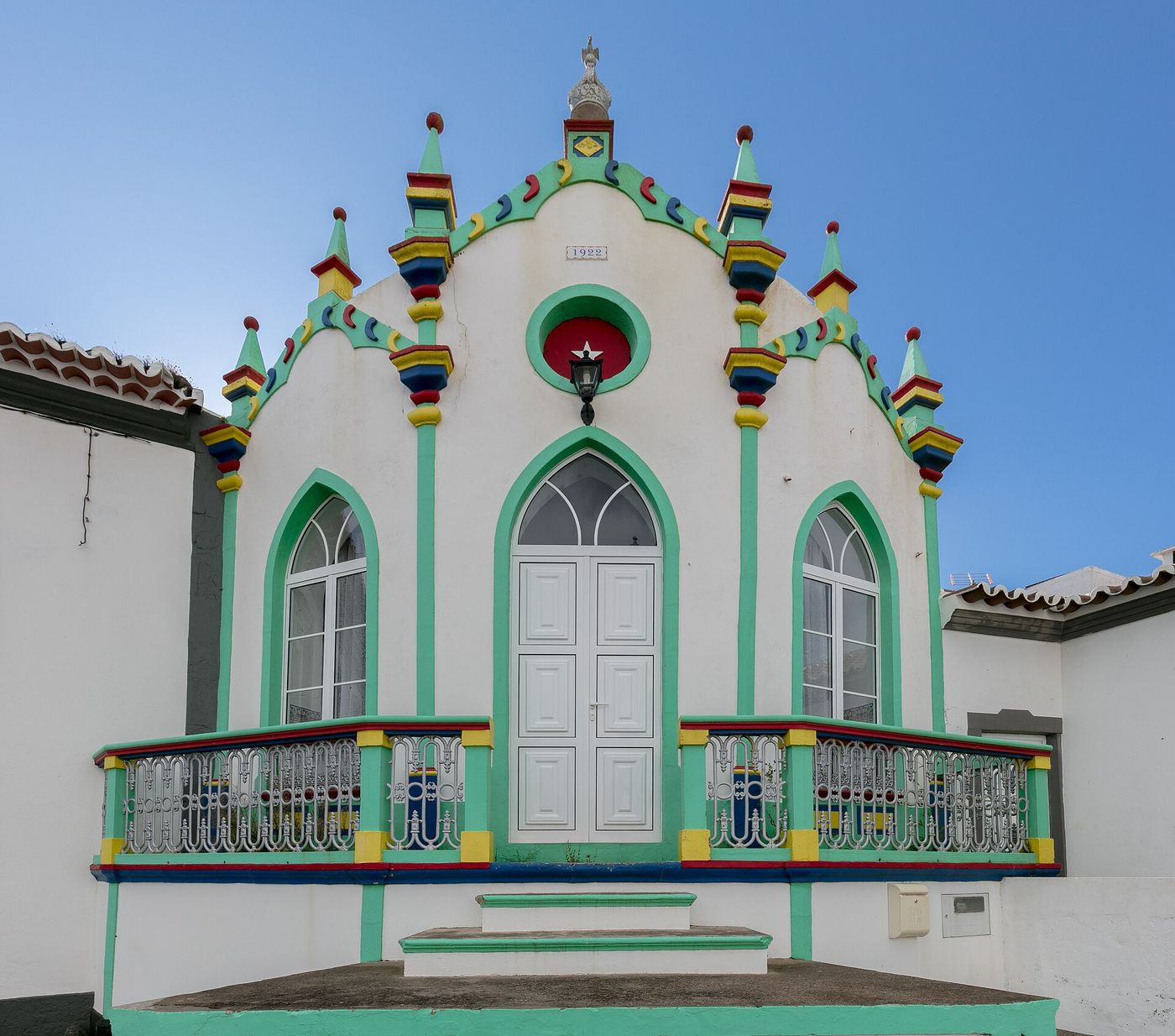
It began with the whaleships, which called at the islands and left with Azorean crews; by the late 1800s the crews had become communities in New Bedford, Fall River and Providence, and today the great majority of the million-plus Portuguese-Americans trace to the Azores. The corridor is astonishingly specific: whole New England parishes descend from single islands like Sao Miguel, Faial or Pico. The proof is the calendar; the Holy Ghost festas of the Azores, crown, procession and free sopas for the whole community, are held in dozens of New England and California towns to this day, copied faithfully from the home freguesia.
Names that came this way: Silva, Sousa, Medeiros, Cabral, Pacheco, Furtado, and the Smiths and Perrys that anglicised from them.
Madeira: to Hawaii, Venezuela and beyond
In the 1870s and 1880s Madeiran families sailed halfway around the world to work Hawaii's sugar plantations, taking with them the braguinha, the little four-string guitar of Madeiran village dances, which Hawaii made its own as the ukulele. Later waves went to Venezuela, South Africa and the Channel Islands. Madeira's village festas, flower-decked arraiais with wine, espetada and fireworks, are the direct ancestors of Hawaii's Portuguese festivals.
The Minho and Tras-os-Montes: to Brazil
Brazil is the great destination of Portuguese emigration, colonial and modern alike, and the nineteenth and early twentieth century waves came heavily from the dense little parishes of the Minho and the mountain villages of Tras-os-Montes. A Brazilian Silva or Oliveira hunting origins is usually hunting in northern Portugal, in country where the romaria, the pilgrimage festival, still fills village squares with processions, gigantones and brass bands every summer weekend.
What is waiting in the village
Portuguese village life peaks at the festa: the saint's day arraial with its lights and marchas, the romaria to a hilltop shrine, the Espirito Santo crowning weeks after Easter, the vindimas in the Douro at harvest, the chestnut magustos of November. These are among Europe's most faithful survivals, and because the diaspora copied them so exactly, a New England Holy Ghost festa or a Toronto arraial is often a working replica of one particular village's day. Attending the original is as close to time travel as family history gets.
Tracing your actual ancestor
Portugal's district archives have digitised parish registers on a remarkable scale, free to browse, with the Azores and Madeira particularly well covered; the registers run parish by parish, which is exactly the unit the family left. Civil registration begins in 1911. On the arrival side, New Bedford and Boston passenger lists, Hawaiian plantation records and Brazilian entry books usually name the island or concelho. Find the freguesia and you have found the festa; the saint's day will already be in next year's calendar.
When Villagly Portugal is live, every festa here will link to dates, the organiser's site and places to stay nearby. Stand where your family stood.