


















New Zealand roots: the villages your family left
New Zealand's British settlement was planned like almost nowhere else: church congregations and county associations recruited villages wholesale and sailed them to purpose-built provinces. That planning is a gift to anyone tracing roots, because the ships' lists say where the recruiting was done.
The Scots: Otago and Southland
Dunedin was founded in 1848 as a Free Church of Scotland settlement, its very name the old Gaelic for Edinburgh. Lowland and northeast Scotland supplied it: farm servants, tradesmen and their kirk. Southland's burr is Scotland's living echo. Border towns and Aberdeenshire farm country sent generation after generation south.
The English: Canterbury and the assisted passages
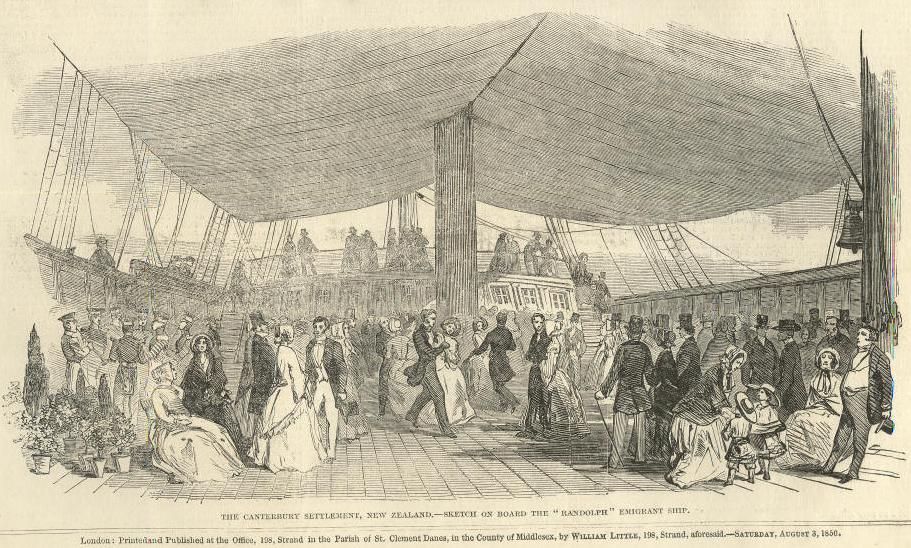
Christchurch was laid out in 1850 by the Church of England's Canterbury Association, and through the 1870s New Zealand paid the fares of tens of thousands of English farm labourers, recruited village by village, many through the farm workers' union drives in the southern counties. Kent, Somerset, Wiltshire and Cornwall all sent whole parish groups.
The Irish: the West Coast goldfields
The 1860s gold rushes drew Irish diggers across from Victoria to the West Coast, and Hokitika's St Patrick's Day was once the loudest in the southern hemisphere. Villagly Ireland now covers village events across all 26 counties.
Tracing your actual ancestor
Archives New Zealand holds the assisted-immigration registers, and the ships' lists usually record an English or Scottish county of origin. From the British end, outward passenger lists from 1890 are at The National Archives at Kew, with home addresses recorded from 1922. Parish registers take the trail back from there.
Every event above links to dates, the organiser's site and places to stay nearby. Stand where your family stood.