





Irish in Britain: back to the parish
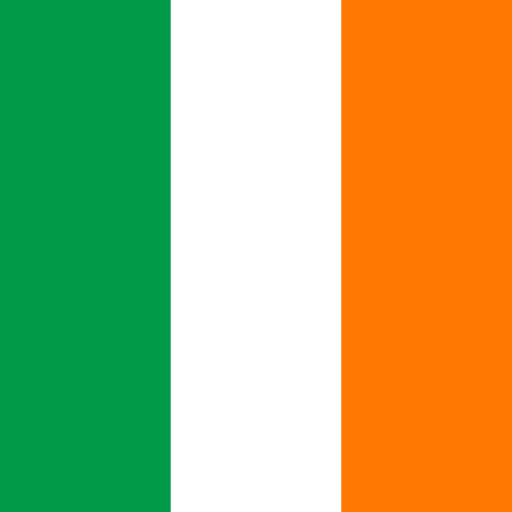
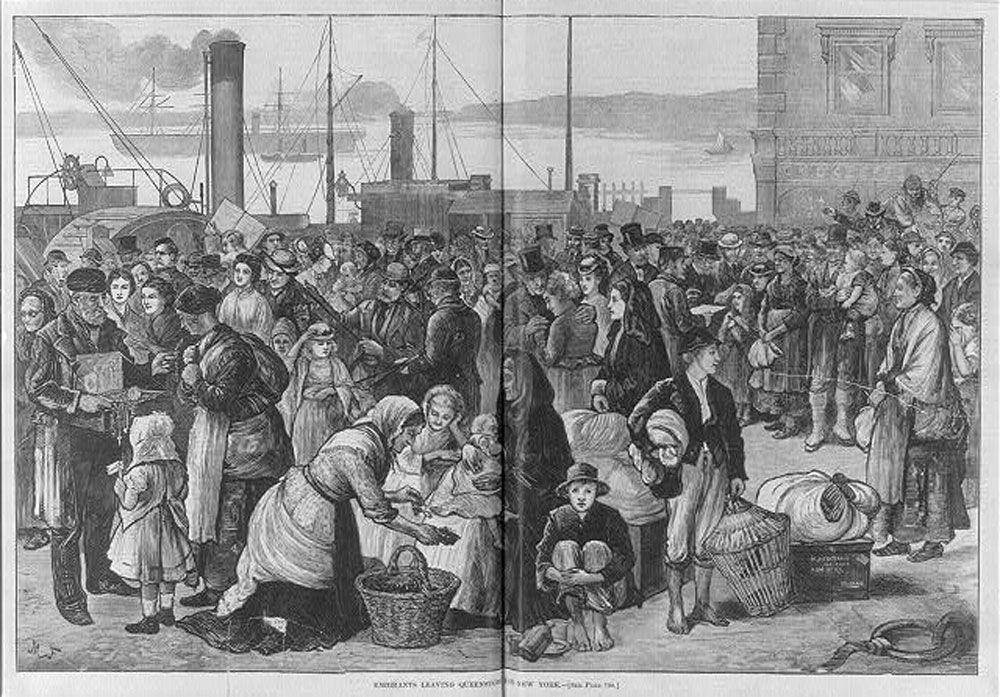
The largest Irish diaspora community isn't across an ocean; it's here. From the famine ships into Liverpool and Glasgow, through the navvies who dug Britain's railways and canals, to the generation who rebuilt post-war Britain and staffed its new health service, millions of Britons are a generation or three from an Irish parish. This is the corridor most of us can trace over a weekend, and visit by ferry.
Where the trail usually leads
Each British city drew from its own Irish hinterland. Liverpool and Manchester drew heavily from Mayo, Galway and the west; Glasgow from Donegal and the north; London from everywhere, with Cork and Kerry strong. The 1950s generation often came from small farms in the western counties, and family memory of the parish is frequently only one phone call away, which makes this the easiest trace in this series: start by asking.
The records, all free
Ireland is unusually generous to family historians: irishgenealogy.ie carries civil records and many parish registers free, and the National Archives of Ireland's census returns for 1901 and 1911 are free and name every household. Between a grandparent's memory and those two sources, most families can reach the townland.
Then go
This is the point of the whole exercise: the parish is a ferry ride away, and rural Ireland's calendar of festivals, shows, pattern days and fleadhanna is as alive as Britain's. Villagly Ireland is our directory of village events across all 26 counties; find the county your family left and see what is on. Blend the trip: the graveyard in the morning, the show in the afternoon.
Every event on Villagly links to dates, the organiser's site and places to stay nearby. Stand where your family stood.