




Canadian roots: the villages your family left
Canada's founding migrations were unusually specific. Whole Highland townships crossed together and settled together, which is why Gaelic was spoken in Cape Breton kitchens into living memory. Newfoundland's accent still carries Devon and Waterford in it. If your family is Canadian, there is a better than usual chance the record points to one particular village.
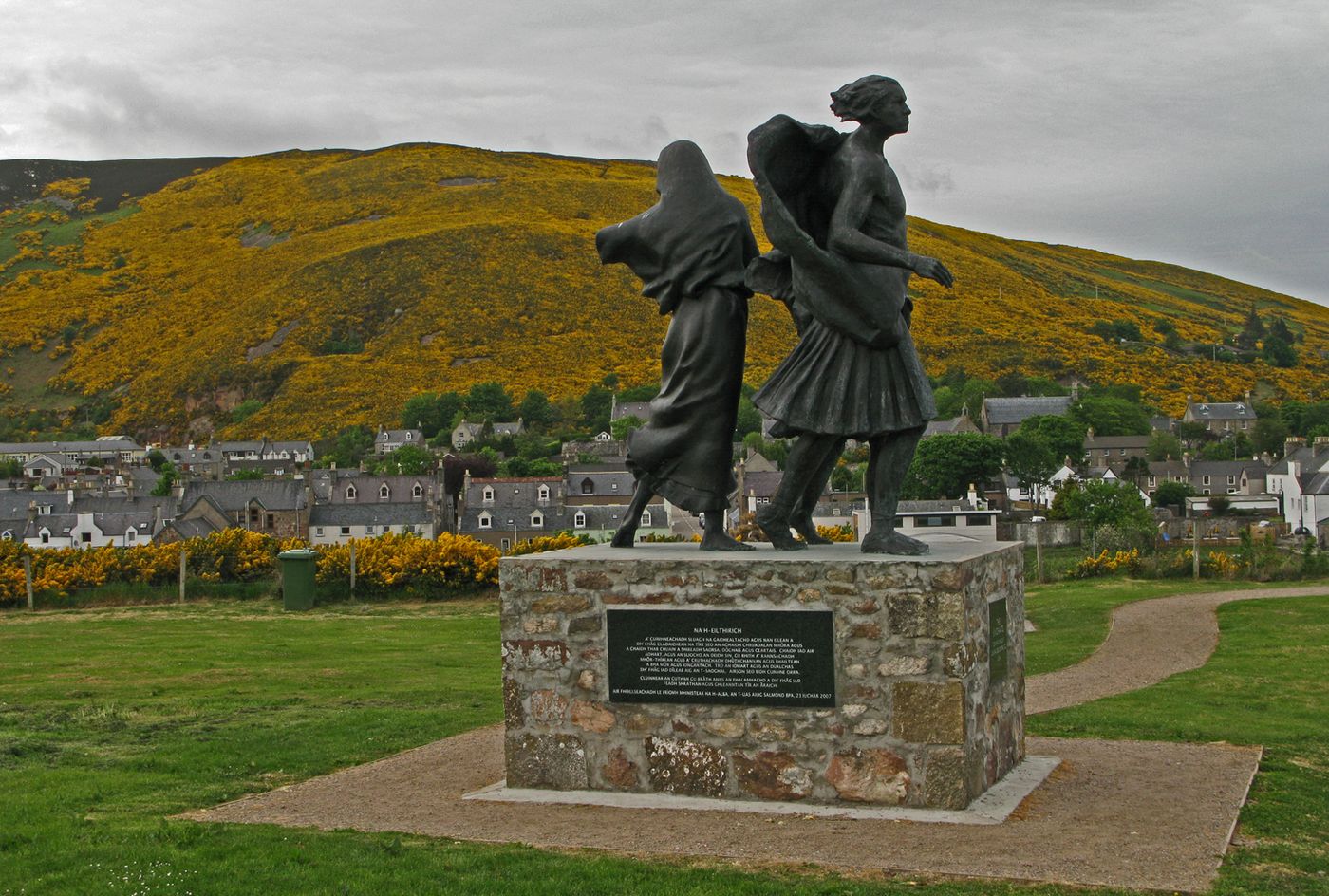
The Highlanders: Nova Scotia and Cape Breton
From the 1770s onward, and hardest during the Clearances, Highland and Hebridean communities crossed to Nova Scotia. Cape Breton became the largest Gaelic-speaking community outside Scotland, with its own bards, fiddle style and milling songs, all traceable to particular islands and glens. The Kildonan families, cleared from the Strath of Kildonan in Sutherland, went further still: to the Red River settlement that became Winnipeg.
Names that came this way: MacDonald, MacLeod, MacNeil of Barra, Gunn and Matheson of Sutherland, Cameron and Chisholm of the glens.
Newfoundland: the most traceable corridor of all
Newfoundland was settled almost entirely from two small places: the fishing villages of Devon and Dorset, and the countryside around Waterford and Wexford in southeast Ireland. Linguists can still hear both in the island's speech. If your family is from the outports, the odds are strong the trail ends in a West Country harbour village or an Irish parish within a day's cart ride of Waterford city.
The Irish: Ontario's farm settlers
Before the famine ships, Canada received planned Irish settlements: in the 1820s Peter Robinson brought over two thousand people from the Blackwater valley of north Cork to the Peterborough district of Ontario, families recorded by name and parish. Famine-era migration then filled Ontario and Quebec. Villagly Ireland now covers village events across all 26 counties, north Cork included; find the parish and see what is on.
Tracing your actual ancestor
Library and Archives Canada holds passenger arrivals from 1865, plus the home children and land-grant records. From the British end, outward lists from 1890 are at Kew, with home addresses recorded from 1922. For Gaelic Nova Scotia, the Highland Village Museum's genealogy service on Cape Breton links families back to specific Scottish townships.
Every event above links to dates, the organiser's site and places to stay nearby. Stand where your family stood.