








Argentine roots: the villages your family left
Argentina holds two of the most remarkable emigration stories there are: a Welsh-speaking colony at the bottom of the world that still holds an eisteddfod, and the largest Irish community anywhere outside the English-speaking world, drawn from just a handful of midland counties.
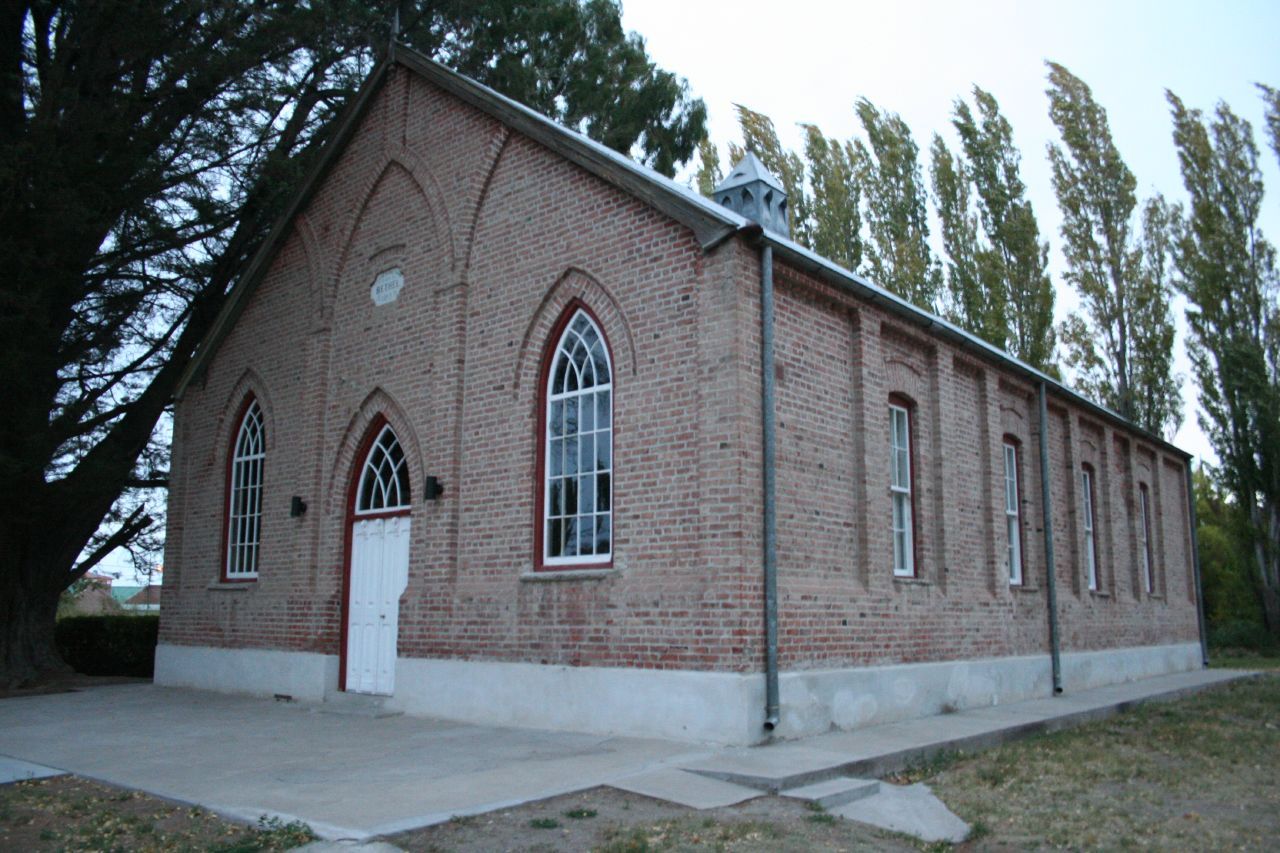
Y Wladfa: Wales in Patagonia
In 1865 the ship Mimosa sailed from Liverpool carrying around 150 Welsh settlers determined to build a place where Welsh life and language could survive untouched. They built it in the Chubut valley: Gaiman, Trelew, Trevelin, chapels and tea houses on the edge of the desert. Welsh is still spoken there, the Gaiman eisteddfod is still held, and Patagonian Welsh descendants still come back to Gwynedd and Ceredigion looking for the chapels their families left.
Names that came this way: Jones, Williams, Roberts, Evans and Hughes, many from the quarry and chapel villages of north and mid Wales.
The Irish of the pampas
Through the nineteenth century tens of thousands of Irish emigrants became the sheep farmers of Buenos Aires province, and their origin is strikingly narrow: the great majority came from Westmeath, Longford and north Wexford. Argentine surnames like Duggan, Ham and Kenny trace to specific midland parishes, and the community's records, kept by its own chaplaincies and newspapers, are unusually good. Villagly Ireland now covers village events across all 26 counties, Westmeath, Longford and Wexford included.
Tracing your actual ancestor
For Y Wladfa, the Mimosa passenger list is published and the National Library of Wales holds the colony's records. For the Irish pampas, the Society for Irish Latin American Studies maintains passenger and family lists, and irishgenealogy.ie carries the free parish registers at the origin end.
Every event above links to dates, the organiser's site and places to stay nearby. Stand where your family stood.